

After the grab
Duration: 16 hours recommended
Completion Criteria: Attendance and participation. Groups pass as a team.
Certificate: ARM After the Grab Certificate
Price: $1250/day
Class Size: To get the most value from this course, we recommend a class sizes four to eight.
after the grab
After the Grab — Targeted Post-Rescue Medical Intervention Training for Firefighters
After the Grab is a firefighter-focused medical training program designed to address the critical gap between victim removal and transfer of care. Built specifically for fireground and rescue environments, the program provides practical training on the immediate assessment, intervention, and stabilization priorities firefighters are most likely to encounter once a patient has been removed from a hazardous environment.
We teach immediate intervention and stabilization based on real fireground and rescue scenarios. The course is scenario-driven, operationally relevant, and grounded in realistic rescue contexts. Rather than repeating generic first aid content, it focuses on the post-rescue medical actions that matter most in the first few minutes following fire rescue, water rescue, vehicle extrication, and firefighter down/mayday incidents. It is practical, and stripped of bystander-level content.
The program is designed to increase firefighter confidence, strengthen post-rescue medical decision-making, and better align rescue operations with patient care outcomes through realistic, hands-on, firefighter-specific training.
This training focuses on what actually matters in the critical minutes after the rescue: once the victim is out, what do you look for, what kills them first, and what actions make the difference. It bridges the gap between rescue and handoff — where lives are often won or lost.
The 2 day course covers the following 4 modules:
-
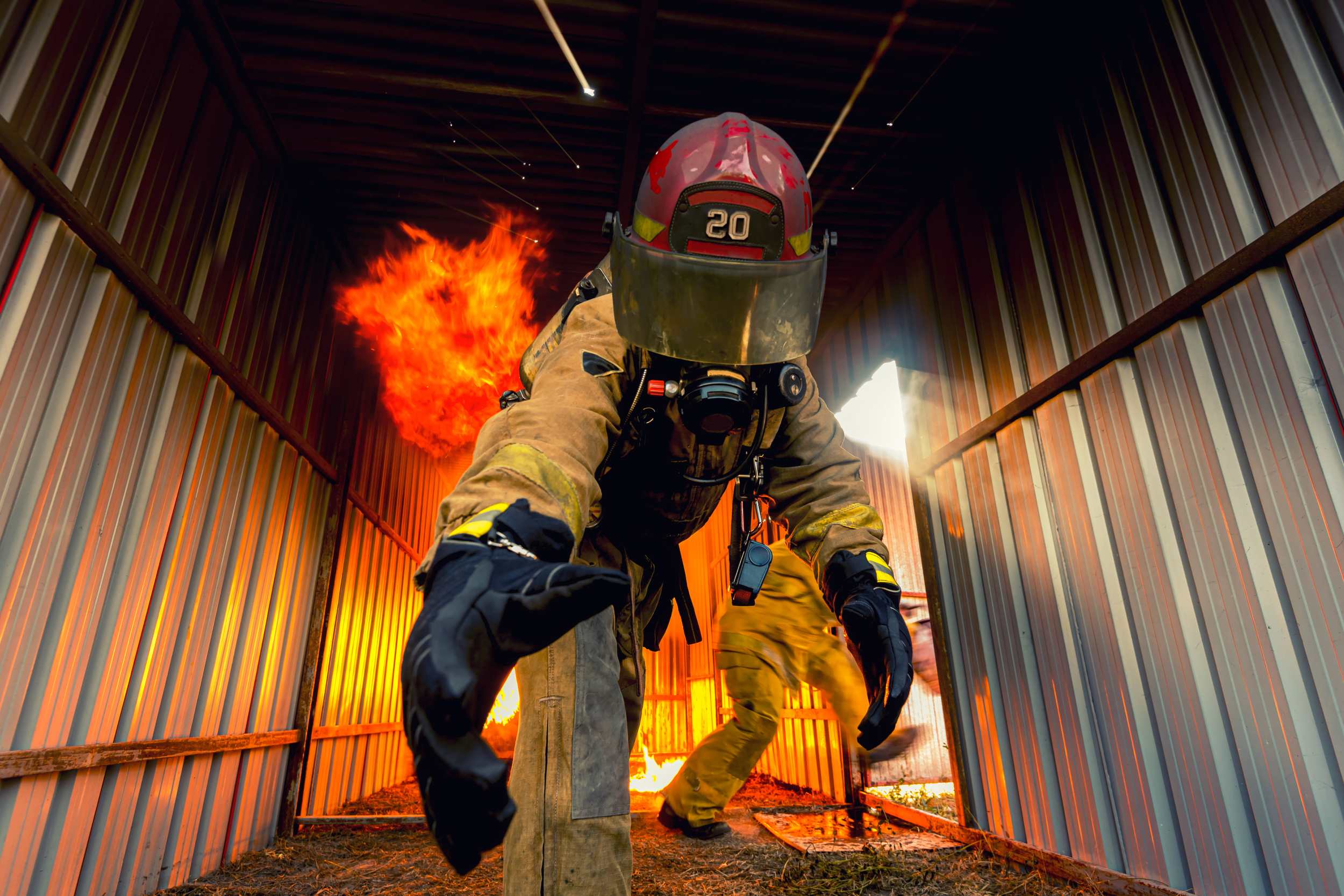
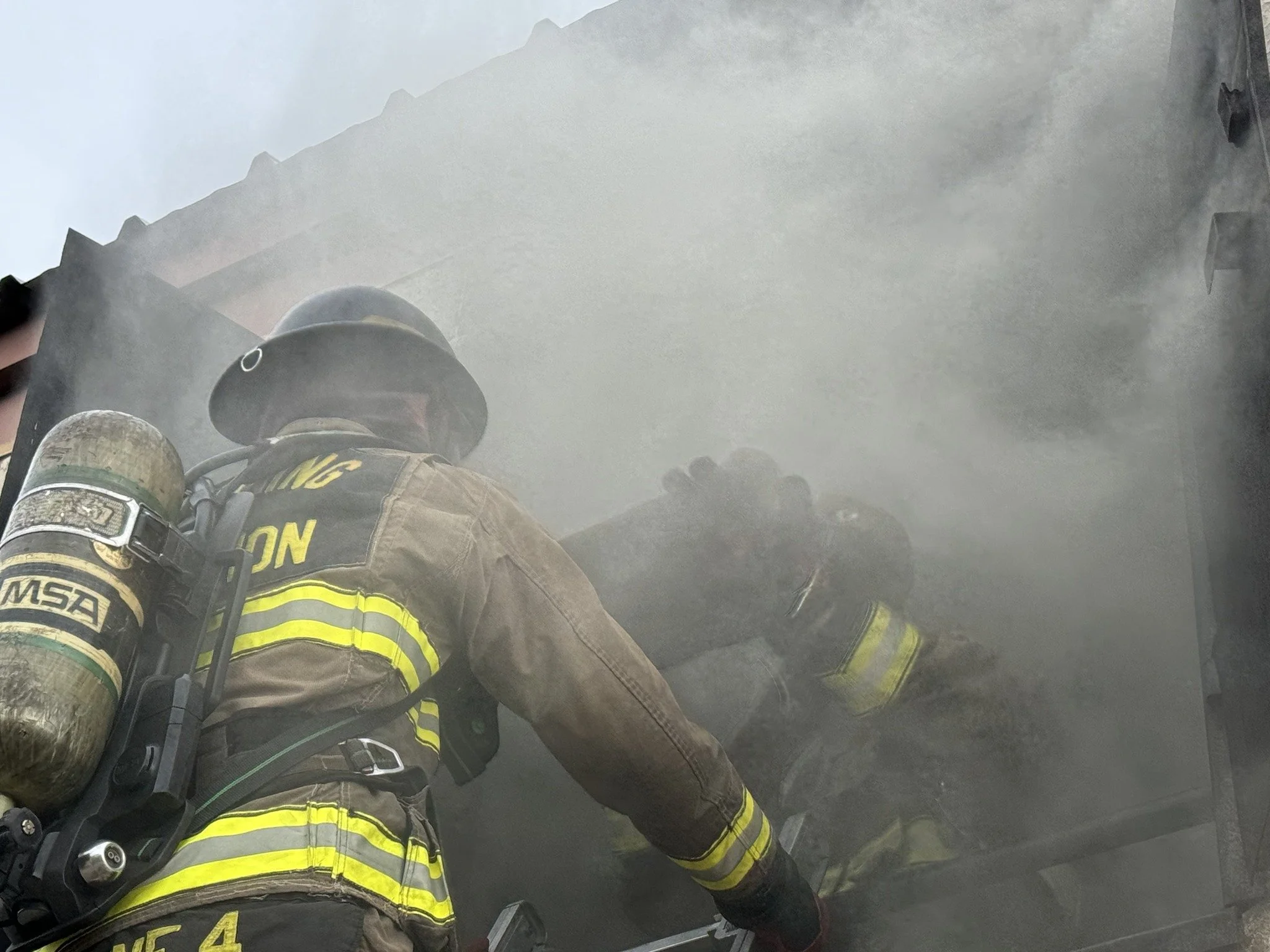
Airway injury recognition, smoke inhalation concern, burn priorities, breathing support, and immediate stabilization after removal from a fire environment.
-
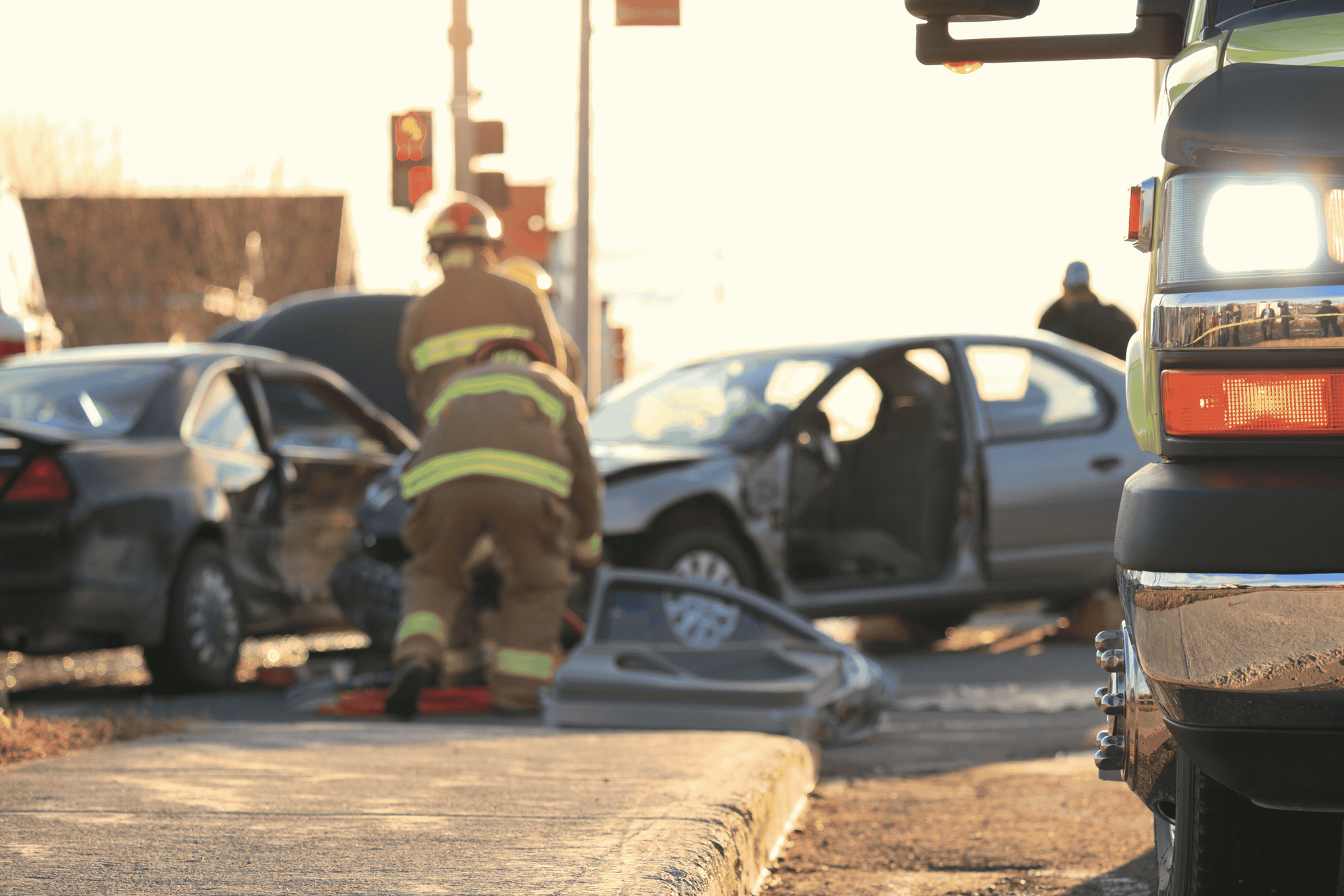
Rapid trauma assessment, hemorrhage control, shock recognition, airway and breathing priorities, packaging, and hidden injuries after extrication.
-
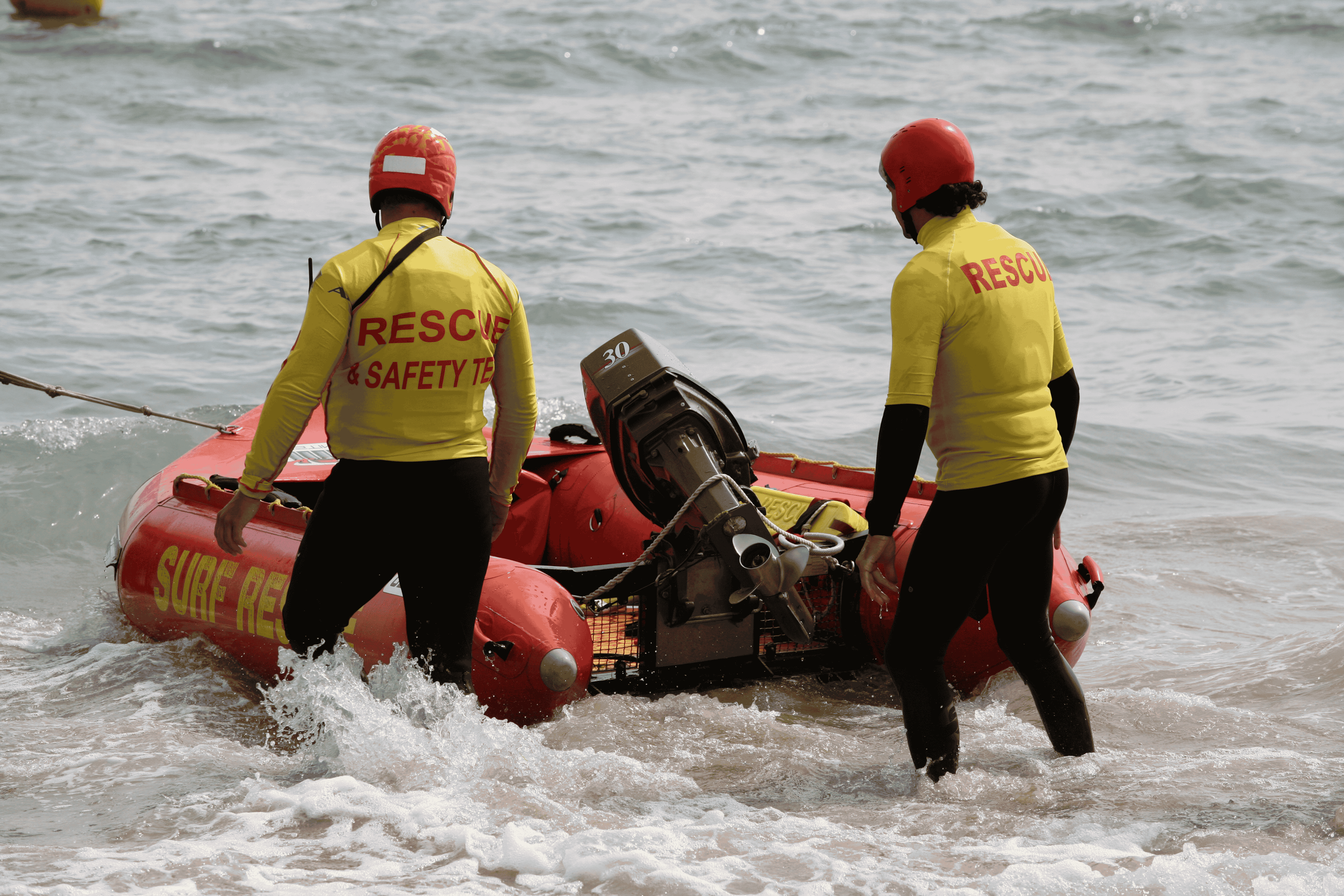
Drowning and near-drowing priorities, rescue breathing principles, respiratory compromise, hypothermia recognition, and heat loss prevention.
-
Downed firefighter care, RIT medicine principles, airway and breathing challenges in turnout gear, CPR considerations, gear removal and coordinated team-based care after removal.
Firefighter cpr
Effective firefighter CPR requires a substantial amount of teamwork, technical skill, muscle memory, and repetitive practise. Proficiency in this skill means the greatest chance of survival.